
Favorite Products For Siding Service Maintenance and Repair
Identify trusted tools and materials essential for restoring and maintaining siding to extend its lifespan.
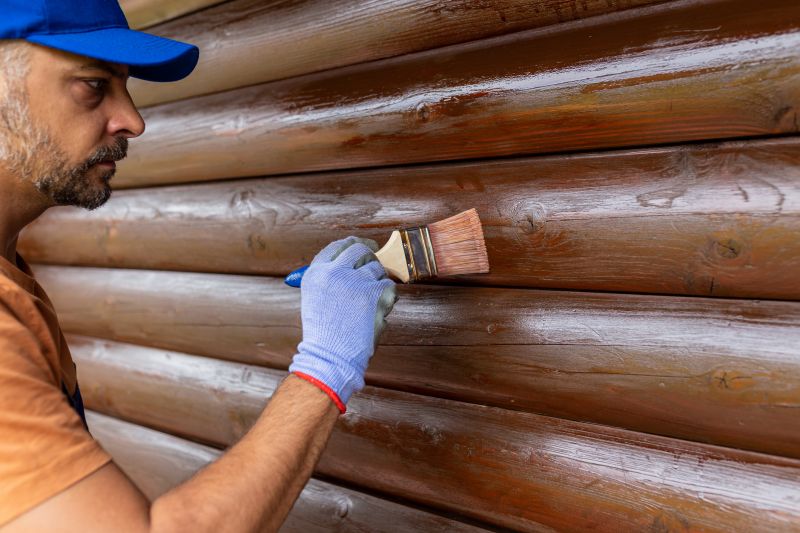 When considering products for siding service, it is essential to focus on materials and tools that ensure durability, ease of installation, and long-term performance. Siding products come in various types, including vinyl, fiber cement, wood, and metal, each offering unique benefits suited to different aesthetic preferences and structural requirements. Proper selection of siding materials can significantly influence the appearance and protection of a building, especially in regions like Johnston, RI, where weather conditions can vary. Additionally, the tools used for siding installation, such as specialized brushes, scrapers, and power tools, play a critical role in achieving a high-quality finish.
Top Overall Option
Versatile Siding Panel System
A comprehensive siding panel system that offers a balance of durability, ease of installation, and aesthetic flexibility. Designed to accommodate various architectural styles, this system typically includes pre-finished panels, weather-resistant features, and simple fastening mechanisms. It is suitable for both residential and commercial projects, providing a reliable solution for long-term exterior protection and visual appeal.
Types of Products For Siding Service
Vinyl Siding
A popular choice for its affordability, low maintenance, and wide range of colors and styles.
Fiber Cement Siding
Known for its strength, resistance to pests, and ability to mimic wood or masonry textures.
Wood Siding
Offers natural beauty and versatility, available in various styles like clapboard, shingles, and board-and-batten.
Metal Siding
Includes aluminum and steel options that provide durability and a modern appearance.
Engineered Wood Siding
A manufactured wood product designed for enhanced durability and easier installation.
Brick Veneer
Provides a classic look with minimal structural weight and good weather resistance.
Stucco Siding
A cement-based exterior finish offering a textured appearance and good insulation properties.
Composite Siding
Made from a mix of materials, combining strength with aesthetic flexibility.
PVC Siding
A type of plastic siding that is lightweight, moisture-resistant, and easy to maintain.
Stone Veneer
Creates a natural stone look with lightweight panels that are easier to install than full stone.
Insulated Siding
Features foam backing for improved energy efficiency and added insulation.
Clapboard Siding
Traditional horizontal siding with overlapping boards, available in various materials.
Shingle Siding
Offers a textured, layered appearance, often used for cottages and historic homes.
Lap Siding
Horizontal panels that overlap, providing a classic exterior look.
Board and Batten
Vertical siding with wide boards and narrow battens, suitable for rustic or modern styles.
Popular Choices
Widely used for its affordability and low maintenance requirements.
Chosen for its durability and versatility in design options.
Appreciated for its natural appearance and traditional charm.
Favored for its resilience and contemporary aesthetic.
Popular for energy efficiency and added exterior protection.
A classic choice for many residential exteriors.
Often selected for its textured and distinctive look.
Chosen for its lightweight nature and resistance to moisture.
In demand for achieving a natural stone appearance with less weight.
Gaining popularity for combining various material benefits.
A favored option for classic and durable exterior finishes.
Selected for its textured appearance and weather resistance.
Popular in rustic and modern architectural styles.
Commonly used for its traditional horizontal overlap.
Chosen for its ease of installation and durability.
For professionals and DIY enthusiasts alike, understanding the nuances of different siding products can help in making informed decisions. Factors such as resistance to moisture, ease of maintenance, and compatibility with existing structures are vital considerations. Furthermore, accessories like sealants, primers, and fasteners are often necessary to ensure a secure and weatherproof installation. Investing in the right combination of products can streamline the siding process, reduce the need for frequent repairs, and enhance the overall look of the property.
In Johnston, Rhode Island, where homes are exposed to coastal influences and seasonal changes, selecting appropriate siding products becomes even more important. Quality materials that withstand moisture, salt, and temperature fluctuations are highly recommended. Whether updating an existing exterior or constructing a new building, choosing the right siding products can contribute to a resilient and visually appealing facade. Consulting with local suppliers or siding specialists can provide additional insights tailored to the specific climate and architectural style of the area.
Key Buying Considerations
- Climate suitability: Ensure the siding material can withstand local weather conditions such as moisture, salt, and temperature fluctuations.
- Durability and lifespan: Consider the expected longevity and resistance to pests, rot, and impact.
- Maintenance requirements: Evaluate how much upkeep the material needs over time.
- Aesthetic preferences: Choose a style and color that complement the architecture and personal taste.
- Installation complexity: Determine whether the product is suitable for DIY installation or requires professional help.
- Compatibility with existing structures: Ensure the new siding can integrate seamlessly with current building components.
- Cost considerations: Balance initial investment with long-term value and durability.
- Energy efficiency: Look for products with insulating properties or compatibility with insulation systems.
- Weather resistance: Prioritize materials that resist moisture, wind, and UV damage.
- Availability and supply: Confirm local availability and supply chain reliability.
- Environmental factors: Avoid materials prone to mold, mildew, or decay in humid climates.
- Warranty and support: Check for manufacturer warranties and customer support options.
- Fire resistance: In areas prone to wildfires, select fire-resistant siding options.
- Compatibility with accessories: Ensure compatibility with trim, fasteners, and sealants.